Wednesday, October 28, 2026


Tuesday, October 27, 2026
Eddie 'Cleanhead' Vinson • Blues, Boogie & Bebop - 'Meat's Too High'

Review by arwulf arwulf
A powerful vocalist and a wickedly expressive alto saxophonist, Eddie "Cleanhead" Vinson is celebrated with this JSP reissue compilation containing 15 choice cuts recorded in London, England, in May 1980 and March 1982. The earlier of the two dates yielded an album with the title Fun in London; unfortunately, an eight-minute jam called "The Theme" was excluded from this reissue. Vinson never ever fit into anybody's pigeon holes; a formidable improvising instrumentalist who excelled both as a balladeer ("Roxanne," "That's All") and as a straight-ahead hard bopper ("Travelin'," "Somebody Else Has Taken My Place," "Cleanhead's Thing," "Fun in London," "Straight Away"), Vinson's worldly command of the sax and his hormonally charged astringency as a blues shouter constitute two of the great dependable forces in all of blues and jazz. The words he puts across on "Meat's Too High" touch upon inflation, taxes, groceries, and human sexuality.
https://www.allmusic.com/album/blues-boogie-bebop-meats-too-high-mw0000056307
Artist Biography by Bill Dahl
An advanced stylist on alto saxophone who vacillated throughout his career between jump blues and jazz, bald-pated Eddie "Cleanhead" Vinson (he lost his hair early on after a botched bout with a lye-based hair-straightener) also possessed a playfully distinctive vocal delivery that stood him in good stead with blues fans.
Vinson first picked up a horn while attending high school in Houston. During the late '30s, he was a member of an incredible horn section in Milton Larkins's orchestra, sitting next to Arnett Cobb and Illinois Jacquet. After exiting Larkins' employ in 1941, Vinson picked up a few vocal tricks while on tour with bluesman Big Bill Broonzy. Vinson joined the Cootie Williams Orchestra from 1942 to 1945. His vocals on trumpeter Williams' renditions of "Cherry Red" and "Somebody's Got to Go" were in large part responsible for their wartime hit status.
Vinson struck out on his own in 1945, forming his own large band, signing with Mercury, and enjoying a double-sided smash in 1947 with his romping R&B chart-topper "Old Maid Boogie" and the song that would prove his signature number, "Kidney Stew Blues" (both songs featured Vinson's instantly identifiable vocals). A 1949-1952 stint at King Records produced only one hit, the amusing sequel "Somebody Done Stole My Cherry Red," along with the classic blues "Person to Person" (later revived by another King artist, Little Willie John).
Kidney Stew Is Fine
Vinson's jazz leanings were probably heightened during 1952-1953, when his band included a young John Coltrane. Somewhere along about here, Vinson wrote two Miles Davis classics, "Tune Up" and "Four." Vinson steadfastly kept one foot in the blues camp and the other in jazz, waxing jumping R&B for Mercury (in 1954) and Bethlehem (1957), jazz for Riverside in 1961 (with Cannonball Adderley), and blues for Blues Time and ABC-BluesWay. A 1969 set for Black & Blue, cut in France with pianist Jay McShann and tenor saxophonist Hal Singer, beautifully recounted Vinson's blues shouting heyday (it's available on Delmark as Old Kidney Stew Is Fine). A much later set for Muse teamed him with the sympathetic little big-band approach of Rhode Island-based Roomful of Blues. Vinson toured the States and Europe frequently prior to his 1988 death of a heart attack.
https://www.allmusic.com/artist/eddie-cleanhead-vinson-mn0000137137/biography
///////
Revisión por arwulf arwulf
Un vocalista poderoso y un saxofonista alto malvadamente expresivo, Eddie "Cabeza Limpia" Vinson es celebrado con esta compilación de reedición de JSP que contiene 15 cortes selectos grabados en Londres, Inglaterra, en mayo de 1980 y marzo de 1982. La primera de las dos fechas dio lugar a un álbum con el título Fun in London; desafortunadamente, una improvisación de ocho minutos llamada "The Theme" fue excluida de esta reedición. Vinson nunca jamás encajó en los casilleros de nadie; un formidable instrumentista improvisador que sobresalió tanto como baladista ("Roxanne", "That's All") como en el hard bopper ("Travelin'", "Somebody Else Has Taken My Place", "Cleanhead's Thing", "Fun in London", "Straight Away"), el dominio mundano del saxo por parte de Vinson y su astringencia cargada de hormonas como gritador de blues constituyen dos de las grandes fuerzas fiables en todo el blues y el jazz. Las palabras que pone en "Meat's Too High" se refieren a la inflación, los impuestos, los alimentos y la sexualidad humana.
https://www.allmusic.com/album/blues-boogie-bebop-meats-too-high-mw0000056307
Biografía del artista por Bill Dahl
Un estilista avanzado del saxofón alto que vaciló a lo largo de su carrera entre el jump blues y el jazz, el calvo Eddie "Cleanhead" Vinson (perdió el pelo desde el principio después de una pelea chapucera con un alisador de pelo a base de lejía) también poseía una entrega vocal juguetonamente distintiva que le situaba en un buen lugar entre los aficionados al blues.
Vinson empezó a tocar la trompeta cuando asistía a la escuela secundaria en Houston. A finales de los años 30, fue miembro de una increíble sección de trompas en la orquesta de Milton Larkins, sentado junto a Arnett Cobb e Illinois Jacquet. Después de dejar el empleo de Larkins en 1941, Vinson aprendió algunos trucos vocales mientras estaba de gira con el bluesman Big Bill Broonzy. Vinson se unió a la orquesta de Cootie Williams de 1942 a 1945. Su voz en las interpretaciones del trompetista Williams de "Cherry Red" y "Somebody's Got to Go" fue en gran parte responsable de su estatus de éxito en tiempos de guerra.
Vinson se puso en marcha por su cuenta en 1945, formando su propia gran banda, firmando con Mercury, y disfrutando de un éxito de doble cara en 1947 con su retozante R&B "Old Maid Boogie" y la canción que probaría su número de firma, "Kidney Stew Blues" (ambas canciones presentaban las voces instantáneas de Vinson). Una temporada 1949-1952 en King Records produjo un solo éxito, la divertida secuela "Somebody Done Stole My Cherry Red", junto con el clásico blues "Person to Person" (más tarde revivido por otro artista de King, Little Willie John).
El guiso de riñón está bien
Las tendencias de Vinson en el jazz se acentuaron probablemente durante 1952-1953, cuando su banda incluía a un joven John Coltrane. En algún lugar de por aquí, Vinson escribió dos clásicos de Miles Davis, "Tune Up" y "Four". Vinson mantuvo firmemente un pie en el campo del blues y el otro en el del jazz, dando saltos de R&B para Mercury (en 1954) y Bethlehem (1957), jazz para Riverside en 1961 (con Cannonball Adderley), y blues para Blues Time y ABC-BluesWay. Un set de 1969 para Black & Blue, cortado en Francia con el pianista Jay McShann y el saxofonista tenor Hal Singer, relató bellamente el blues de Vinson gritando en su apogeo (está disponible en Delmark como Old Kidney Stew Is Fine). Mucho más tarde, Muse se unió a la simpática banda de Roomful of Blues de Rhode Island. Vinson recorrió Estados Unidos y Europa con frecuencia antes de su muerte en 1988 por un ataque al corazón.
https://www.allmusic.com/artist/eddie-cleanhead-vinson-mn0000137137/biography
Friday, October 9, 2026
Etta James • The Best of Etta James

Thursday, October 8, 2026

Tuesday, October 6, 2026
Slim Harpo • Sting It Then!

Saturday, October 3, 2026
Blues Junkers • Night Time

www.facebook.com/bluesjunkers ...
Wednesday, September 30, 2026
Johnny 'Guitar' Watson • The Essential Johnny 'Guitar' Watson

Biography by Bill Dahl
"Reinvention" could just as easily have been Johnny "Guitar" Watson's middle name. The multi-talented performer parlayed his stunning guitar skills into a vaunted reputation as one of the hottest blues axemen on the West Coast during the 1950s. Following his innovative 1954 instrumental "Space Guitar," he scored Top Ten R&B hits like "Those Lonely, Lonely Nights," 1962's "Cuttin' In," and 1967's "Mercy, Mercy, Mercy." However, by the '70s Watson had totally changed his image to that of a charismatic funkster, enjoying more popularity than ever with his down-and-dirty R&B smashes "A Real Mother for Ya," "Superman Lover," and his 1978 version of "Gangster of Love" (which became his theme song). He prefigured the rise of rap with 1980's "Telephone Bill" and even picked up a Grammy nomination for Best Contemporary Blues Album for 1994's Bow Wow just prior to his passing two years later.
Born in 1935, Watson's roots resided within the fertile blues scene of Houston. As a teen, he played with fellow Texas future greats Albert Collins and Johnny Copeland. But he left Houston for Los Angeles when he was only 15 years old. Back then, Watson's main instrument was piano; that's what he played with Chuck Higgins' band when the saxist cut "Motorhead Baby" for Combo in 1952 (Watson also handled vocal duties).
He was listed as Young John Watson when he signed with Federal in 1953. His first sides for the King subsidiary found him still tinkling the ivories, but by 1954, when he dreamed up the absolutely astonishing instrumental "Space Guitar," the youth had switched over to guitar. "Space Guitar" ranks with the greatest achievements of its era -- Watson's blistering rapid-fire attack, done without the aid of a pick, presages futuristic effects that rock guitarists still hadn't mastered another 15 years down the line.
Watson moved over to the Bihari Brothers' RPM label in 1955 and waxed some of the toughest upbeat blues of their time frame (usually under saxist Maxwell Davis' supervision). "Hot Little Mama," "Too Tired," and "Oh Baby" scorched the strings with their blazing attack; "Someone Cares for Me" was a churchy Ray Charles-styled slow-dragger, and "Three Hours Past Midnight" cut bone-deep with its outrageous guitar work and laid-back vocal (Watson's cool phrasing as a singer was scarcely less distinctive than his playing). He scored his first hit in 1955 for RPM with a note-perfect cover of New Orleanian Earl King's two-chord swamp ballad "Those Lonely Lonely Nights."
Though he cut a demo version of the tune while at RPM, Watson's first released version of "Gangster of Love" emerged in 1957 on Keen. Singles for Class ("One Kiss"), Goth, Arvee (the rocking introduction "Johnny Guitar"), and Escort preceded a hookup with Johnny Otis at King during the early '60s. He recut "Gangster" for King, reaching a few more listeners this time, and dented the R&B charts again in 1962 with his impassioned, violin-enriched blues ballad "Cuttin' In."
Never content to remain in one stylistic bag for long, Watson landed at Chess just long enough to cut a jazz album in 1964 that placed him back behind the 88s. Along with longtime pal Larry Williams, Watson rocked England in 1965 (their dynamic repartee was captured for posterity by British Decca). Their partnership lasted stateside through several singles and an LP for OKeh; among their achievements as a duo was the first vocal hit on "Mercy, Mercy, Mercy" in 1967 (predating the Buckinghams by a few months).
Little had been heard of this musical chameleon before he returned decked out in funk threads during the mid-'70s. He hit with "I Don't Want to Be a Lone Ranger" for Fantasy before putting together an incredible run at DJM Records paced by "A Real Mother for Ya" in 1977 and an updated "Gangster of Love" the next year.
After a typically clever "Strike on Computers" nicked the R&B lists in 1984, Watson again seemed to fall off the planet. But counting this remarkable performer out was always a mistake. Bow Wow, his 1994 album for Al Bell's Bellmark logo, returned him to prominence and earned a Grammy nomination for best contemporary blues album, even though its contents were pure old-school funk. Sadly, in the midst of a truly heartwarming comeback campaign, Watson passed away while touring Japan in 1996.
https://www.allmusic.com/artist/johnny-guitar-watson-mn0000242511#biography
///////
Biografía de Bill Dahl
"Reinvención" podría haber sido fácilmente el segundo nombre de Johnny "Guitar" Watson. El polifacético intérprete aprovechó sus impresionantes habilidades con la guitarra para ganarse la reputación de ser uno de los mejores músicos de blues de la Costa Oeste durante la década de 1950. Después de su innovadora instrumental de 1954 "Space Guitar", obtuvo los diez mejores éxitos de R & B como "Those Lonely, Lonely Nights", "Cuttin' In" de 1962 y "Mercy, Mercy, Mercy" de 1967. Sin embargo, en los años 70 Watson había cambiado totalmente su imagen a la de un funkster carismático, disfrutando de más popularidad que nunca con sus éxitos de R&B sucios y sucios "A Real Mother for Ya", "Superman Lover" y su versión de 1978 de " Gangster of Love "(que se convirtió en su tema principal). Prefiguró el auge del rap con "Telephone Bill" de 1980 e incluso obtuvo una nominación al Grammy al Mejor Álbum de Blues Contemporáneo por Bow Wow de 1994 justo antes de su fallecimiento dos años después.
Nacido en 1935, las raíces de Watson residían en la fértil escena del blues de Houston. Cuando era adolescente, tocó con sus compañeros futuros grandes de Texas Albert Collins y Johnny Copeland. Pero se fue de Houston a Los Ángeles cuando solo tenía 15 años. En ese entonces, el instrumento principal de Watson era el piano; eso es lo que tocaba con la banda de Chuck Higgins cuando el saxofonista grabó "Motorhead Baby" para Combo en 1952 (Watson también se encargó de las tareas vocales).
Fue catalogado como el joven John Watson cuando firmó con Federal en 1953. Sus primeros lados para la filial King lo encontraron todavía tintineando los marfiles, pero en 1954, cuando soñó con la absolutamente asombrosa "Guitarra Espacial" instrumental, los jóvenes se habían cambiado a la guitarra. "Space Guitar" se ubica entre los mayores logros de su época: el abrasador ataque rápido de Watson, realizado sin la ayuda de una púa, presagia efectos futuristas que los guitarristas de rock aún no habían dominado otros 15 años.
Watson se mudó al sello RPM de los Hermanos Bihari en 1955 y encer algunos de los blues optimistas más duros de su época (generalmente bajo la supervisión del saxofonista Maxwell Davis). "Hot Little Mama", "Too Tired" y "Oh Baby" quemaron las cuerdas con su ataque ardiente; "Someone Cares for Me" era una canción lenta al estilo de Ray Charles, y "Three Hours Past Midnight" llegó hasta los huesos con su escandaloso trabajo de guitarra y su voz relajada (el fraseo genial de Watson como cantante era apenas menos distintivo que su interpretación). Obtuvo su primer éxito en 1955 para RPM con una versión perfecta de la balada de pantano de dos acordes de Earl King de Nueva Orleans "Those Lonely Lonely Nights."
Aunque grabó una versión demo de la canción mientras estaba en RPM, la primera versión lanzada por Watson de" Gangster of Love " surgió en 1957 en Keen. Singles para Class ("One Kiss"), Goth, Arvee (la introducción rockera "Johnny Guitar") y Escort precedieron a una conexión con Johnny Otis en King a principios de los 60. Volvió a grabar "Gangster" para King, llegando a algunos oyentes más esta vez, y volvió a entrar en las listas de éxitos de R&B en 1962 con su apasionada balada de blues enriquecida con violín "Cuttin' In."
Nunca contento con permanecer en una bolsa estilística por mucho tiempo, Watson aterrizó en Chess el tiempo suficiente para grabar un álbum de jazz en 1964 que lo colocó de nuevo detrás de los 88. Junto con su viejo amigo Larry Williams, Watson sacudió Inglaterra en 1965 (su dinámica réplica fue capturada para la posteridad por British Decca). Su asociación duró en los Estados Unidos a través de varios sencillos y un LP para OKeh; entre sus logros como dúo se encontraba el primer éxito vocal en "Mercy, Mercy, Mercy" en 1967 (anterior a los Buckingham por unos meses).
Poco se había oído hablar de este camaleón musical antes de regresar ataviado con hilos de funk a mediados de los 70. Golpeó con "I Don't Want to Be a Lone Ranger" para Fantasy antes de armar una increíble carrera en DJM Records al ritmo de "A Real Mother for Ya" en 1977 y una actualización de "Gangster of Love" al año siguiente.
Después de que un "Ataque a las computadoras" típicamente inteligente arrasara en las listas de R&B en 1984, Watson pareció caer nuevamente del planeta. Pero descartar a este notable intérprete siempre fue un error. Bow Wow, su álbum de 1994 para el logotipo de Bellmark de Al Bell, lo devolvió a la prominencia y le valió una nominación al Grammy al mejor álbum de blues contemporáneo, a pesar de que su contenido era puro funk de la vieja escuela. Lamentablemente, en medio de una campaña de regreso verdaderamente conmovedora, Watson falleció mientras estaba de gira por Japón en 1996.
https://www.allmusic.com/artist/johnny-guitar-watson-mn0000242511#biography
Friday, September 25, 2026
The Meters • The Meters
Review from AllMusic (by Rovi Staff): The Meters were formed as the house band for Allen Toussaint and Marshall Sehorn's Sansu Enterprises. Their debut combines New Orleans funk with the tight interplay of Art Neville, Leo Nocentelli, George Porter Jr. and Joseph "Zigaboo" Modeliste. The review highlights the simplicity and rhythmic nuance of the album, particularly Nocentelli's guitar work on "Ease Back" and Modeliste's drumming on "6V6 LA", as well as the band's interpretations of "Sing a Simple Song" and "Stormy".
///////
Resena de AllMusic (por Rovi Staff): The Meters se formaron como banda de estudio para Sansu Enterprises, de Allen Toussaint y Marshall Sehorn. Su debut combina el funk de Nueva Orleans con la precisa interaccion entre Art Neville, Leo Nocentelli, George Porter Jr. y Joseph "Zigaboo" Modeliste. La resena destaca la sencillez y el matiz ritmico del album, especialmente el trabajo de guitarra de Nocentelli en "Ease Back" y la bateria de Modeliste en "6V6 LA", ademas de las interpretaciones del grupo de "Sing a Simple Song" y "Stormy".
Tuesday, September 22, 2026

Sunday, September 20, 2026

Tuesday, September 15, 2026
Amos Milburn • Chicken Shack Boogie Man

Artist Biography by Bill Dahl
Friday, September 11, 2026


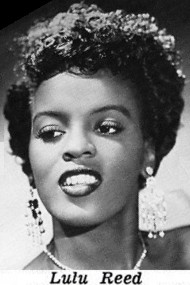
Tiny Topsy & Lula Reed • Just A Little Bit Federal's Queens Of New Breed R&B

Compilado de estas dos reinas exponentes del sonido de Chicago de la década del 60, R&B, blues y soul sin desperdicio.
Compiled exponents of these two queens Chicago sound of the 60s, R & B, blues and soul without waste.

Thursday, September 10, 2026
Amos Milburn • Rare Masters

Artist Biography by Bill Dahl
Tuesday, September 8, 2026
Montis, Goudsmit & Directie • Root Up
Review from Slagwerkkrant: Root Up keeps its groove, swing and infectious energy throughout all eight tracks, with the Hammond, guitar and drums maintaining the listener's attention from beginning to end. [https://slagwerkkrant.nl/nieuws/artikel/2-27974/release-van-de-week-montis-goudsmit--directie--root-up](https://slagwerkkrant.nl/nieuws/artikel/2-27974/release-van-de-week-montis-goudsmit--directie--root-up)
///////
Resena de Slagwerkkrant: Root Up mantiene su groove, swing y energia contagiosa a lo largo de sus ocho temas, con el Hammond, la guitarra y la bateria manteniendo la atencion del oyente de principio a fin. [https://slagwerkkrant.nl/nieuws/artikel/2-27974/release-van-de-week-montis-goudsmit--directie--root-up](https://slagwerkkrant.nl/nieuws/artikel/2-27974/release-van-de-week-montis-goudsmit--directie--root-up)
Thursday, September 3, 2026
King Curtis • Live at Fillmore West

Biography
Wednesday, September 2, 2026
Joe Houston • Combo

Biography